


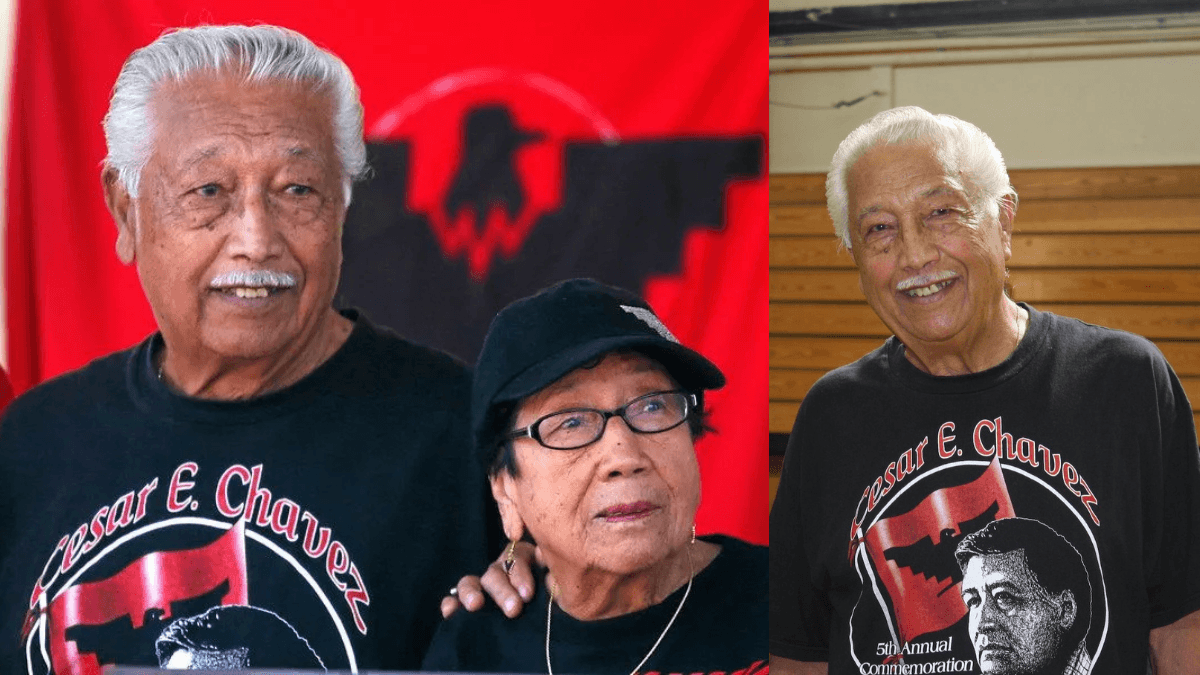
Cesar Estrada Chavez is largely remembered as an organizer who raised the voice of farmworkers across the American West, but also a way to find his father, Librado Chavez, to know his roots. Librado Chavez was a small farmer, a man born in the late nineteenth century whose lifestyle was closely associated with the North Gila Valley.
He managed a growing family by keeping a ledger and repairing his clients’ credit scores, showing how his work and family obligations intertwined like vines in a grid. He cared for the land and cared for his family, making farming more than work. It was part of everyday home life and a lasting sense of duty.
What stands out in accounts of Librado Chavez is the scale of his foundational life rather than a headline life. His hard mornings, evening repairs, and steady warmth at home reveal a life built through consistent work and care for family. His father’s role and the example he gave his son helped shape the conviction that later became important in the younger Chavez’s public life.
His connection to agriculture and workers also placed his family within the wider American West. His story of reaching the extraordinary milestone of 100 years, or 100 years, has reached extraordinary length, yet the most meaningful element remains the public flow of the person who worked, cared for the family home, and quietly helped shape the environment from which his son came.
Juana Estrada Chaves and Librado Chavez: The Power Behind the Family
Juana Estrada Chavez played an important role within the family she shared with Librado Chavez. As a committed mother and matriarch, she provided patience, knowledge and electricity to the family lifestyle,
manually helping the family through hard times and good times her calm nature provided balance when the family faced difficulties, even as her values of responsibility,
respect and dignity helped the child grow up Tobrage Chadavez and E Chadavez, their own family environment built on care, territory, shared memory and daily responsibility
| Category | Details |
|---|---|
| Full Name | Librado Chavez |
| Known For | Family history and his connection to the Chavez family |
| Spouse | Juana Estrada Chavez |
| Nationality | American |
| Family | Part of the Chavez family lineage |
| Public Profile | Limited publicly available information |
| Occupation | Not widely documented |
| Date of Birth | Not reliably documented |
| Place of Birth | Not reliably documented |
| Children | Family records indicate he was a father, though detailed information varies by source |
| Notable Detail | Remembered primarily through family and genealogical accounts rather than a public career |
A Turning Point in the Gila Valley
In my view, the Great Depression was not a brief storm for the Chavez family but a lasting hardship that changed their valley life. He lost his own family farm in 1938, and that loss affected more than accounting books.
The acres they once owned had represented unity, balance, and promise, but they became nomads, following every harvest and living itinerant lives like many sharecroppers of that generation. The children saw the fields differently,
while the father kept his hands working in someone else’s rows, and the mother showed patience through difficult experiences. These experiences became raw material for the son’s later insistence that people who feed the nation deserve to be seen and heard.
Cesar Estrada Chavez, The Son Who Carried the Torch
Librado in expertise, I put past forms useful against the background of his resume and look at the son he helped build. Caesar grew up in his family where labor was part of the lifestyle every day, from carrying water and handling through dirt to learning the law by watching his parents deal with customers, employees and friends.
These early instructions gave him values that later guided his leadership and organization. A store ledger, a handshake, and doing a field job right even when nobody was watching could teach powerful lessons about dignity and responsibility. His father and mother taught these principles privately, while Cesar later carried them into his public life,
where justice became something people could discuss at the table and value like bread. In my reading of family histories, Librado can seem like a figure in the background, but he is better understood as the frame of the picture, a sturdy border that gives the image meaning and keeps the story in place, holding together the values that influenced his son.
Work, Hardship, and Quiet Resilience
After the farm was long gone the Chavez household needed to rely on agriculture and small stocks, and some work had to help a tribe through the changing seasons Librado had to plan, time and court each harvest while a trade or store lived on the thin margins of trust,
accounts Having, neighborhood offered by this resident and a size of a person who can put the belt back on the engine and maintain the cover with care and precision in a domestic environment. When the circle of relatives moved, buses,
pickup trucks and detours became maps of survival, and children discovered resilience because after years of mom and dad working to stretch food and wishes, these memories were no longer bitter but became gasoline. The father’s firmness showed the son the courage that no longer twitched, but was still.
A Life Remembered Through Work and Character
The Librado Chavez story is at least approximately about cash or winning and in addition about the subject, grit, and small victories that shape a person. His relative wealth was no longer measured through bank account deposits, but through integrity, pictures every day,
satisfaction in feeding men in particular regions and seasons Even during economic downturns, his real worth was discovered through the spine that he cared for his family and held steadfast in his work. The program around Librado Chavez provides an existence of still images,
relative values and quiet moral reading As time passes, he remains an important monument and gratitude, remembered now not for public opinion but for strength and example found in ordinary existence.
FAQS Librado Chavez
Who turned out to be Librado Chavez?
Librado Chavez became a farmer and the father of civil rights and hard labor leader Cesar Estrada Chavez. He supports his family by farming and various paintings.
Who became Librado Chavez’s husband?
Librado Chavez was married to Juana Estrada Chavez. She helped grow the tribe and played an important role in maintaining the values of their home and tribe.
What happened to Librado Chavez’s farm?
In 1938, at some stage of the harsh monetary prolongation of the Great Depression, the Chavez family lost the farm. Then the family became immigrants.
How did Librado Chavez influence Cesar Chavez?
Librado’s strong image ethic, territory and commitment experience helped Cesar Chavez’s initial proposals to build equality, respect and employee rights
Where did Librado Chavez live?
Librado Chavez lived within the North Gila Valley area of Arizona, where his family worked on farms and later faced the challenges of the immigrant lifestyle.
